If you would like to donate to I Stand Beside it would be a great help as we are a small team and rely on donations to keep the project going.
 You will be redirected to PayPal to complete your donation.
About Me
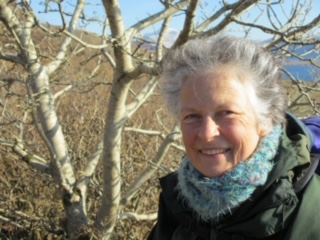
I live in Banchory, Aberdeenshire and have belonged to Deesidecan, a local climate action and biodiversity group for six years. We have planted a wee forest in the park, apple trees on council land and are cultivating ares of land in Banchory for biodiversity. Our garden is becoming a haven for wild life and a place of wonder for our four young grandchildren, who constantly see things that I have overlooked like minute fungi. I love to draw, paint and do wood engravings. The latest is an engraving of the Dark Bordered Beauty Moth (or DBM to those in the moth world) inspired by Jane Frere's exhibition in April at the Barn Arts Centre called THE ARK: WE STAND BESIDE. The exhibition also includes beautiful work of endangered species by P4 children in Banchory Primary School. These eight year olds all chose their own species to stand beside and are so excited by this project.Why I've Chosen My Being?
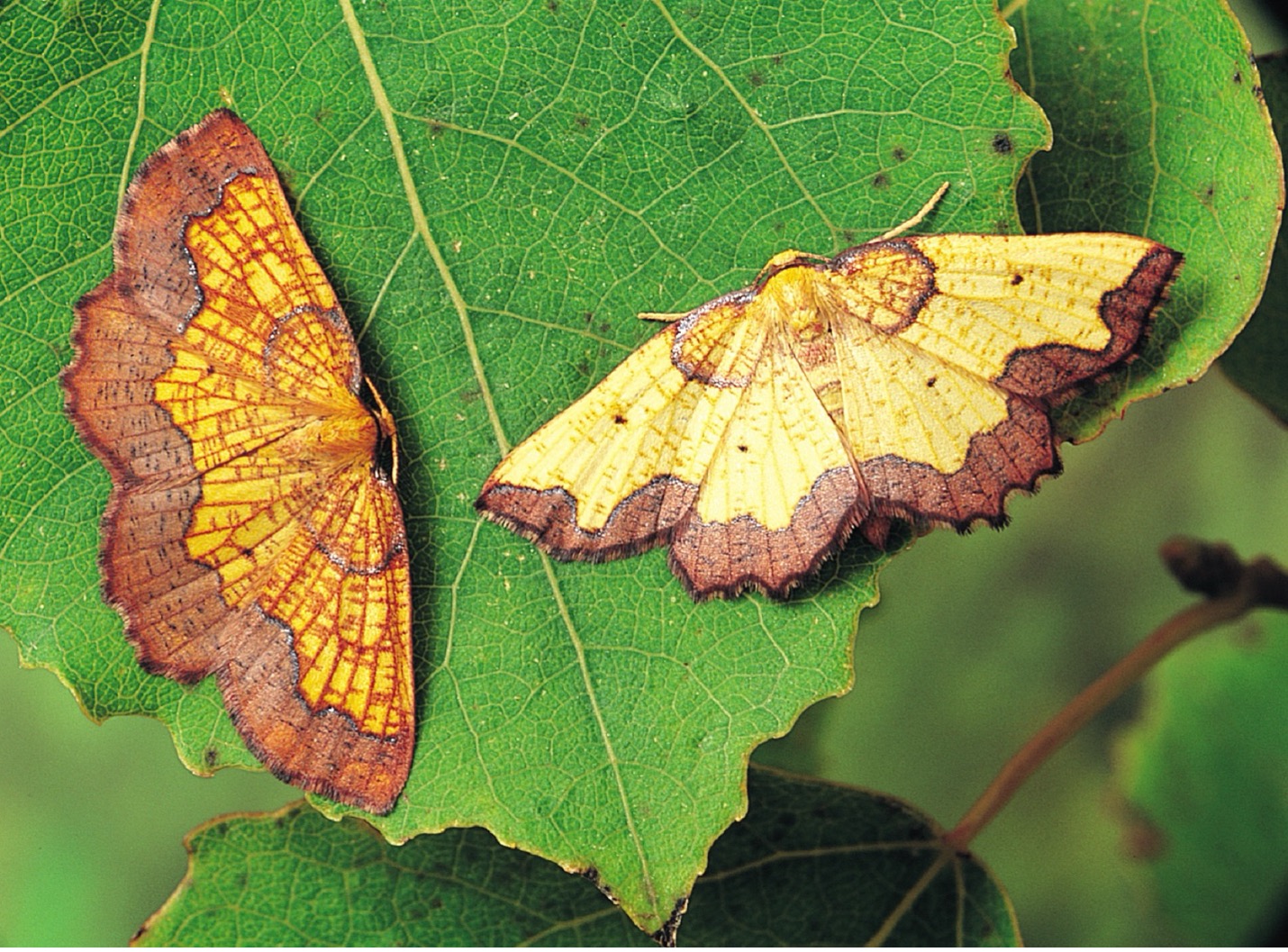
The Dark Bordered Beauty Moth ((Epione vespertaria) is small with a wingspan of only 2.5cm wide. It used to be widespread in this country but due to habitat loss it is now rarely seen. The males have stunningly beautiful dark orange colours and the females are yellow ochre. They have a very distinctive dark border and intricate lacework pattening, like stained glass, mimicking the patterning on aspen leaves .
These beautiful golden moths have become very rare in the UK due to habitat loss. Now they only survive in two places in the Cairngorm National Park in Scotland and Strensall SSSI near York.
The caterpillars feed on the fresh growth of the young suckers of aspen trees in Scotland and on creeping willow leaves in Yorkshire. The males can be seen in late July flying low over the heather very early in the morning.
I first came across this beautiful moth through Mark Tasker, who is the county moth recorder for Kincardineshire . We drove up to Balmoral at 4am in late July to look at moths caught in the light traps that he had placed the previous night. I have been fascinated by moths ever since .
Many people dislike moths because their larvae like to eat holes in their favourite jumpers . Tineola bisselliella and Tinea pellionella are the only moths who eat materials.
There are over 2,5000 species of moth in the UK. They and their caterpillars are a major food source for birds. The DBM moths do not eat anything at all. Their caterpillars feast on the aspen or willow leaves from May to early July before they pupate and live as moths for just a few weeks .
How I Stand Beside My Being
No info just yet!
Who I'm Following
Loved Beings
No loved beings yet!