If you would like to donate to I Stand Beside it would be a great help as we are a small team and rely on donations to keep the project going.
 You will be redirected to PayPal to complete your donation.
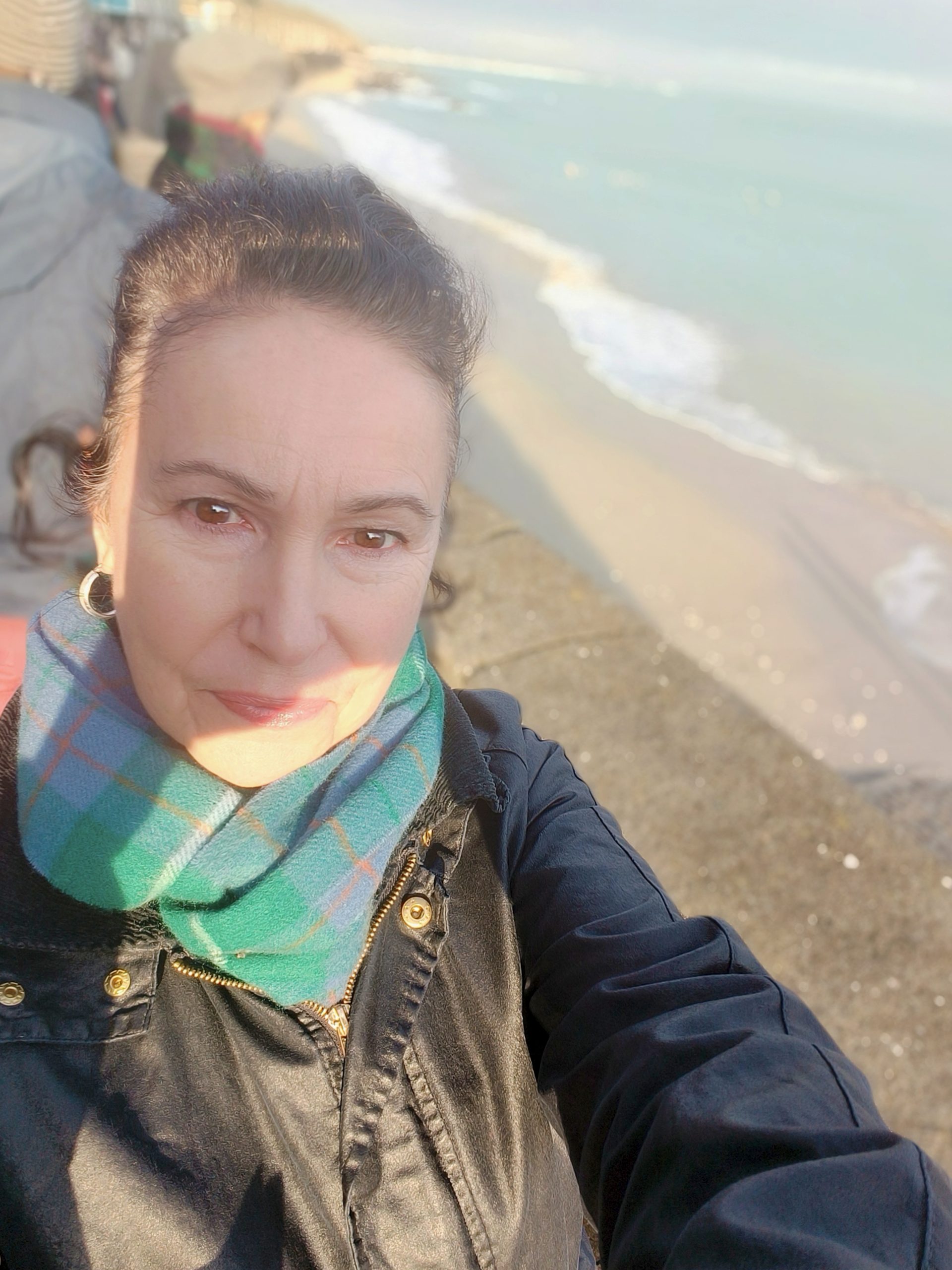
About Me
Living in France and fond of Scotland ! Nature and animals lover and literature as well.Why I've Chosen My Being?
I choose to stand beside the Eider duck because of a personal intertwined link between a special place and a special man.
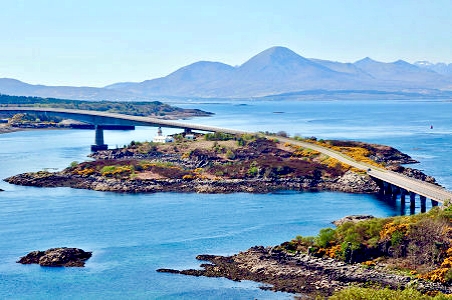
The place is Eilean Ban, ( The white island) a Scottish island nestled below the Skye bridge between Kyle Of Lochalsh and Kyleakin. The man, internationally renowned writer and naturalist Gavin Maxwell. He became famous in the 1960’s with his best selling biography which subsequently became a popular film, The Ring Of Bright Water.
Although known for his relationship to the natural world especially with otters less known was his passion for birds.
Deeply influenced by his aristocratic grandfather, archaeologist and natural historian and his eccentric aunt, a zoologist he developed an extraordinary gift with animals and nature which led to him becoming one of the most popular 20th century nature writers.
His last home on the lighthouse island Eilean Ban happened to be adjacent to a small island Eileen Dubh ( Eider island) where he decided to establish an Eider colony as part of a wild zoo project for the lighthouse island. Unfortunately Maxwell died of cancer before the project could be realised in 1969.
Over the past decade I am privileged to be a warden for a few weeks on Eileen Ban and give regular tours. I always visit and talk of the Eider colony plan, resurrecting the dream. There are still remnants of the project, wooden fences, an occasional wire, a cluster of stones. In spite of a massive species loss to the area since Maxwell’s day, most notably with the construction of the Skye bridge in 1992, miraculously Eider ducks are still seen around.
Eilean Ban is a 6 acre island and hosts a variety of wildlife, a wildlife hide has been built to observe local fauna. Herons breed not far off on the island of Eilean a Malh, pine martens, oystercatchers, black guillemots, dolphins, porpoises, minke whales, grey and harbour seals, otters, eider ducks still make their presence known from time to time.
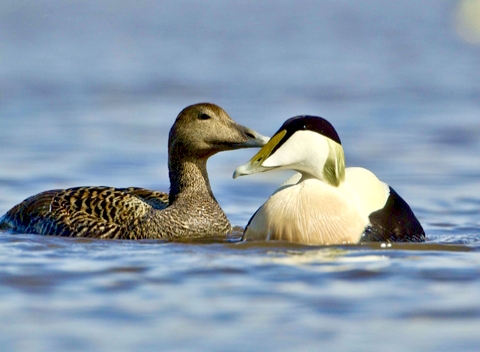
The Eider duck (Somateria Mollissima) is the largest, heaviest and fastest duck in UK. It can weigh up to 3kgs, and has a staggering flying speed up to 70 mph.
The splendid black and white male is very easy to recognize with his pistachio green patch at the back of the head, pinkish breast, and pale-yellow bill. Gavin Maxwell noted: “He wears the full dress uniform of some unknown navy’s admiral”! The duck is also called St Cuthbert duck, referring to another ancient naturalist who loved and protected them in the 7th century.
As often in nature, the female is less impressive with delicate striped bands of chocolate browns /grey colours. This offers a perfect camouflage for the nest. These large sea ducks nest in colonies on small islands and grassy skerries around the coast of Northern UK and can be seen all year round. They dive for their food eating mostly mussels (less appreciated by mussels farmers), clams and crustaceans.
They are especially known for their remarkably soft, warm, waterproof down, which they use for insulation and has always been coveted by humans. Females pluck their own down for their nest.
They are vulnerable to predation; the female sits so tightly on her eggs that she barely moves when approached or touched. Their predators are: foxes, minks, otters, gulls, crows, and opportunistic rats often take their eggs and ducklings.
An interesting fact that I love, the non-breeding females ( named aunties ) join forces and help to protect the young as if creating a creche.
The sound of eider ducks is most distinctive and apparently one of Eilean Ban’s characteristic features when their numbers there were abundant.
Human impact remains their greatest threat, habitat loss, tourist and recreational developments, oil and chemical spills, plastic pollutants, noise pollution. Fishing nets and especially fish farm nets are lethal death traps leading to number depletion in many parts of Scotland.
Under observation in Scotland as protection areas are being created , it is on the endangered species list. Its classification in the UK is Amber.
How I Stand Beside My Being
No info just yet!
Who I'm Following
Not following anyone yet!
Loved Beings
No loved beings yet!